Table Of Content
- Shop More Beauty Tips From Vogue Shopping
- L'Oréal Elvive Extraordinary Oil 10 in 1 Miracle Treatment Leave-In Spray
- Percy and Reed Wonder Treatment Oil
- GUERLAIN Abeille Royale Scalp & Hair Youth Oil in Serum
- What is the best way to apply natural oils for hair growth?
- Do studies support its use for hair loss?
- Why You Should Use Jojoba Oil for Hair Growth
- Wild Growth Hair Oil
Price has over 15 years of experience researching and writing haircare and hairstyling stories, combining her knowledge with the expertise of top industry professionals such as hairstylists, hair colorists and trichologists. Formulated with baobab and rosemary oil, this Evolis Professional oil hydrates strands while encouraging growth. "People are amazed at how quickly my hair is growing back post chemotherapy." While it is on the pricier side, reviewers think it's worth it. While the GH Beauty Lab hasn't formally tested hair growth oils, these picks are based on Beauty Lab scientists' categorical expertise and testing, hair expert and dermatologist recommendations, and vetted consumer reviews. Consistency is key, so if you just started using a hair oil and haven’t noticed a difference, it’s not necessarily ineffective.
Shop More Beauty Tips From Vogue Shopping
When it comes to choosing a hair oil, Angela recommends going for something lightweight or silicone-based oil and to apply it on a daily basis. This keeps your hair feeling and looking great whilst doing their job, but not creating build-up. “If you’re going for [oils that are] too thick, like castor oil, it will cause quicker build up forming over time and due to its stickiness it makes it very easy for things like dust to stick to it. Rather, go for a lighter one and use a little bit more depending on your hair density,” explains Angela. Note that products with peppermint scent won’t achieve the same results.
L'Oréal Elvive Extraordinary Oil 10 in 1 Miracle Treatment Leave-In Spray
"The only FDA-approved over-the-counter topical ingredient for the treatment of hair loss is Minoxidil," says Danusia Wnek, senior chemist at the Good Housekeeping Institute Beauty, Health & Sustainability Lab. It is known to slow down hair loss and stimulate hair growth but "the mechanism of action on the hair follicle is very limited," according to this scientific review. "Unless it contains minoxidil, a hair growth oil won’t increase hair growth (the number of strands on your scalp); instead it will lubricate hair, preventing breakage and damage," she adds. Below, find the best hair growth oils you can use at home for healthier, longer strands.
Percy and Reed Wonder Treatment Oil
Studies suggest that it can be as effective as minoxidil (a common hair-loss treatment) in triggering growth. Mielle’s top-rated version has biotin, an essential nutrient in the hair growth cycle. Add 3-5 drops of tea tree oil to 1 small cup of any carrier oil.
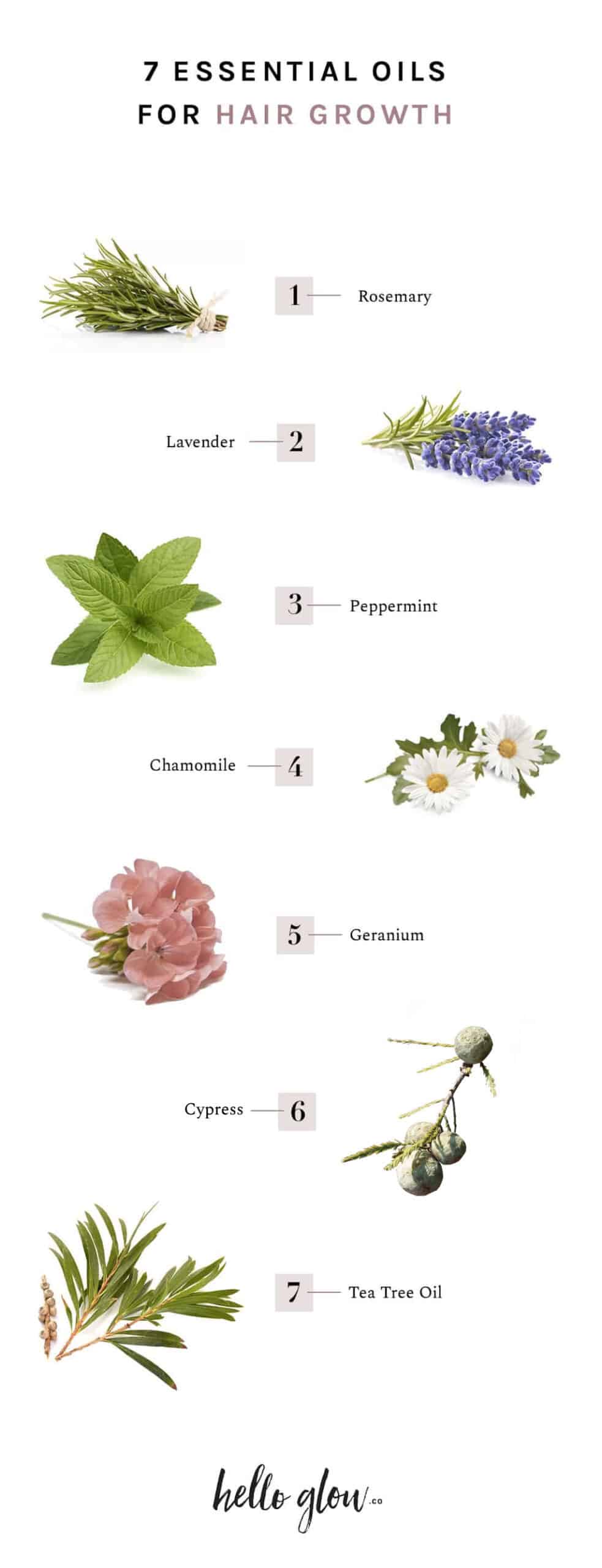
Aside from being great in your bath to help you find your calm, cedarwood can also help boost hair growth. "Cedarwood helps stimulate the hair follicles by increasing blood circulation to the scalp," says Puneet Nanda, Ayurvedic expert and founder and CEO of the aromatherapy company GuruNanda. Before you start reaching for any oil in sight, know that there are specific oils that are known to be beneficial for hair health, and there is a recommended way to use them on the hair. “Popular ingredients include almond, coconut, jasmine, amla, and other plant-based oils to promote strong, healthy hair,” says Ranavat. With all this in mind, here are 10 hair oils you may want to consider adding to your hair care routine if you're looking to boost hair health and hair growth.
What is the best way to apply natural oils for hair growth?
12 Best Natural Oils for Hair Growth, According to Dermatologists 2024 - Glamour
12 Best Natural Oils for Hair Growth, According to Dermatologists 2024.
Posted: Fri, 29 Mar 2024 07:00:00 GMT [source]
“For individuals with severely dry or brittle hair, it may be beneficial to oil two to three times per week,” adds Dr. Spann. It's "a process of infusing your hair with natural oils to restore luster and hydrate hair," says dermatologist Candace Spann, MD. Treatment for hair loss depends on the cause, but may include medications such as minoxidil, finasteride, cortisone, and antiandrogens. Other treatments may include treating underlying infections, addressing possible triggers, and hair transplantation. “I’d advise using hair oil sparingly; as a treatment maybe every two weeks (or even monthly).
Do studies support its use for hair loss?
According to one study, when jojoba oil was applied to shaved hair, it promoted faster hair growth than hair that did not have jojoba oil. If you don’t have the patience to leave it overnight—or your scalp tends to be oil-prone—try hair oiling as a pre-shampoo treatment. Simply leave your hair oil on for at least 30 minutes, up to an hour, before shampooing and conditioning your hair as usual. Meanwhile, “the goal of a serum is to target the hair follicle directly by delivering compounds that may allow for improved or optimal hair growth,” says Dr. Mirmirani. These ingredients are those that aren’t typically found in the diet, such as minoxidil and plant-based compounds.
Why You Should Use Jojoba Oil for Hair Growth
Her apartment is currently littered with beauty products, but when she's not testing them all out, you can find her watching facial ASMR videos on YouTube, binge-watching The Golden Girls on Hulu, and reading rom-coms. Weleda is a Certified B Corporation, meaning it meets standards related to social and environmental performance and transparency. It’s also Union for Ethical BioTrade (UEBT)-certified, which indicates that it’s committed to ethical ingredient sourcing. Reviewers love its fruity smell but caution that it’s best used before washing, since it’s rather heavy.
Wild Growth Hair Oil
Rosemary essential oil is a common variety you can purchase and use as a home remedy. The oil’s health uses range from antioxidant benefits and anti-inflammation to memory enhancement and more. Menthol is responsible for many of the benefits of peppermint oils. Menthol also gives peppermint its taste, smell, and cooling sensation.
In addition, jasmine oil helps prevent moisture loss, encourages cell turnover, soothes dryness, and helps seal the hair cuticle. It’s a winning ingredient to help prevent hair breakage, which is why it tops our list. One of the lighter choices, sweet almond oil is thought to treat dullness and dryness without weighing hair down. Many people also value sweet almond oil as a natural solution for dry scalp and dandruff. In recent years, this oil has become a beloved treatment for many hair types, including frizzy, coarse, and brittle hair. Some people may need repeated or frequent applications to see results from the essential oils.
“A measured approach is best.” To that end, get comfortable with the fact that you’ll need to be both consistent and patient in your usage, as the results can take time. Which treatment to use for hair loss depends on the cause of your hair loss. Before trying any treatment, talk to your healthcare provider to ensure it is right for you and your cause of hair loss.
It’s also a good idea to do a patch test with any essential oil that you’re using for the first time. Instead of turning to these conventional methods, using essential oils for hair makes your locks stronger and healthier, without the potential side effects. The hydrating, soothing, anti-inflammatory and antiseptic properties of essential oils work to nourish your hair naturally.

The brand suggests applying two to three drops of the oil to wet or dry hair, daily or as needed, and leaving it on. In addition to applying it to your scalp to promote hair growth, you can use it on the lengths of your hair to reinforce your strands, minimizing breakage. “One of my favorite hair oils is Badger Jojoba Herbal Hair Oil,” says Diane Madfes, M.D., F.A.A.D., a board-certified dermatologist based in New York City. “I like it because it’s organic and decreases scalp inflammation.” Along with rosemary and tea tree oil, the jojoba oil specifically helps remove build-up and reduce inflammation in the scalp. It’s fair to say that we’ve never been more obsessed with oils for hair growth and thinning than now; in part thanks to rosemary oil well and truly going bonkers on TikTok.